
Physiological Monitoring Technology
Advanced Polygraph Technology
The Centre for Forensic Neuroscience uses advanced computerised physiological monitoring technology to support professional forensic polygraph examinations. Modern multi-channel instrumentation continuously records respiratory, cardiovascular, electrodermal and movement activity, providing the high-quality physiological data required for structured credibility assessments conducted in accordance with recognised professional practice.
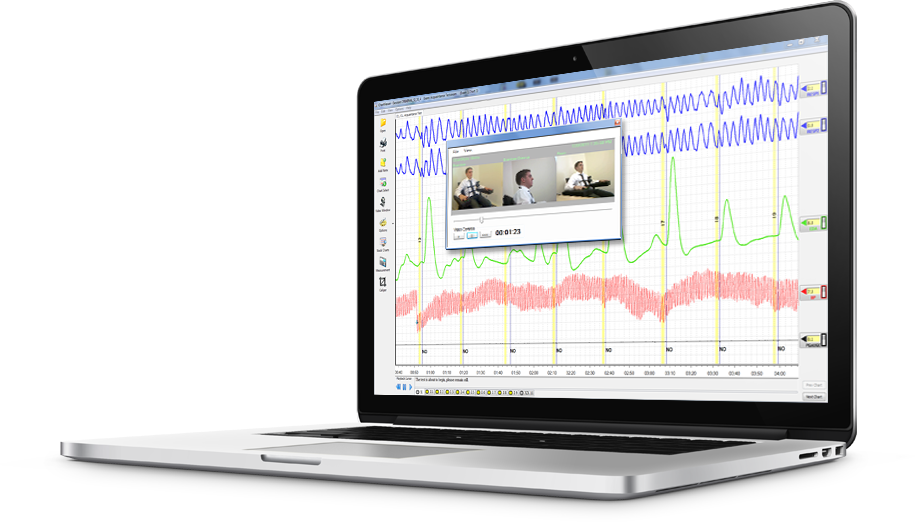
What Does Polygraph Technology Measure?
Multi-Channel Physiological Monitoring
Respiratory Activity
Measures breathing patterns using dedicated upper (thoracic) and lower (abdominal) pneumatic respiration transducers throughout the examination, allowing the examiner to observe both rate and amplitude of respiratory activity.
Cardiovascular Activity
Continuously monitors cardiovascular responses using a blood pressure cuff assembly and sphygmomanometer. An additional finger cuff sensor provides supplementary cardiovascular data, enabling detailed observation of relative blood pressure and pulse rate changes.
Electrodermal Activity
Measures changes in skin conductance associated with autonomic nervous system activity. Electrodermal activity is recorded using finger electrodes which may be either reusable gold-plated metal electrodes or single-use silver/silver-chloride (Ag/AgCl) disposable electrodes, depending upon the requirements of the examination.
Movement Monitoring
A piezo-electronic seat activity sensor assists the examiner in identifying significant body movement during the examination. Movement data provides important context when interpreting physiological recordings and helps the examiner distinguish deliberate physical countermeasure attempts from normal physiological variation.
Recording several physiological systems simultaneously enables the examiner to evaluate patterns of physiological responding rather than relying upon any single physiological measure.
Professional
Instrumentation
Reliable Physiological Recording
Professional instrumentation should provide reliable physiological recording, stable signal acquisition, secure data storage, examiner review tools and compatibility with recognised analytical methods.
MULTI-CHANNEL
Physiological Acquisition
The Centre currently utilises professional instrumentation manufactured by Limestone Technologies, now part of Lafayette Instrument Company.
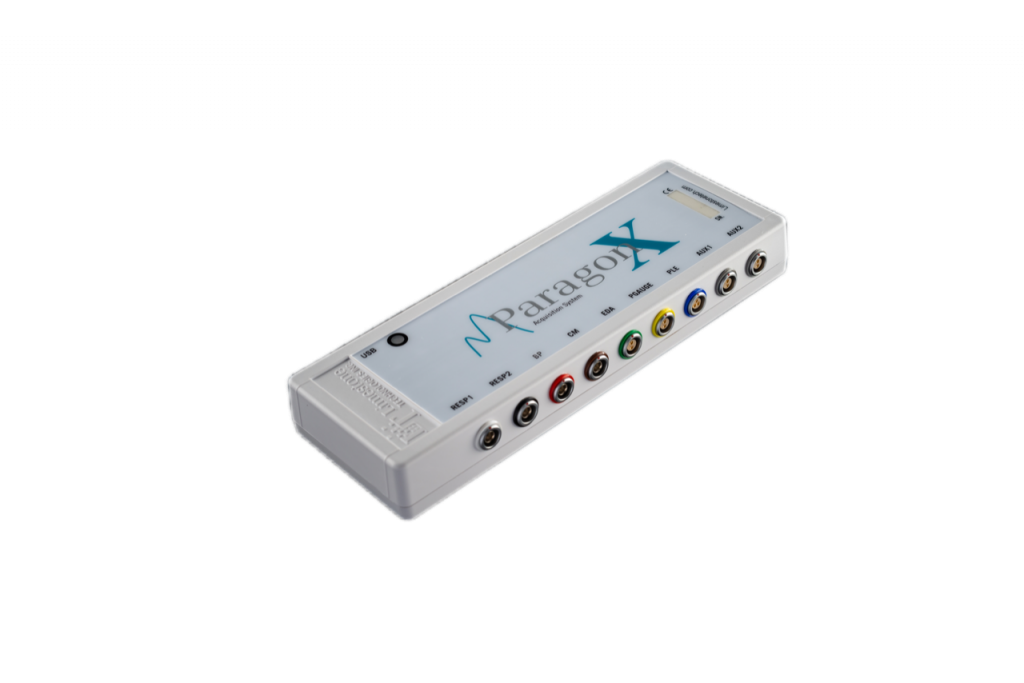
PARAGON X
The Paragon X (Model ParagonX-S) serves as the primary physiological acquisition system used during examinations. It accepts nine sensor inputs simultaneously, recording respiratory, cardiovascular, electrodermal and movement data through a dual-channel 32-bit digital architecture with USB connectivity. Optical isolation exceeding 5000 mV contributes to stable signal acquisition and electrical safety.
Technical Specifications
Digital sampling rate: 625 samples per second, per channel
Architecture: Dual-channel 32-bit
Sensor inputs: 9 channels
Optical isolation: >5,000 mV
CONNECTIVITY
The acquisition system uses flush-mounted, key-aligned Lemo connectors across all nine sensor inputs. These medically-approved connectors provide a secure latching connection that reduces the potential for signal artefacts caused by loose or intermittent connections. Reliable signal transmission between sensors and the acquisition system is important for maintaining recording quality throughout an examination.
POLYGRAPH PRO SUITE
The Polygraph Pro Suite software manages the digital workflow supporting each examination. Complemented by the LXEdge companion application, the software environment provides:
- Examination record and examinee data management
- Real-time physiological chart display and review
- Numerical scoring algorithms and structured analytical tools
- Post-test chart review and analysis
- Secure storage of physiological data and multimedia records
CHARTSYNC
ChartSync synchronises audio, video and physiological recordings captured during the examination. This integrated documentation supports thorough post-test review and allows the examiner to evaluate physiological data alongside the corresponding audio-visual record of the examination.
Technology Supports Professional Practice
Professional polygraph examinations depend upon considerably more than instrumentation alone. Reliable outcomes require validated examination formats, appropriate question formulation, examiner competence, structured post-test analysis and high-quality physiological recordings.
Modern instrumentation provides the foundation for accurate physiological measurement, but the quality of the examination ultimately depends upon the knowledge, experience and professional judgement of the forensic examiner.
Learn More About Professional Polygraph Examinations
Modern physiological monitoring technology forms one part of a professionally conducted polygraph examination. Learn more about our examination process or contact us to discuss whether a polygraph examination is appropriate for your circumstances.